Creator Patterns
Top Creator Systems
82 creator archetypes across 20+ niches — each with their one-word brand filter, content system, dominant formats, platform links, and the core insight you can apply to your own content.
82
Creator patterns
20+
Niches covered
AH
Overloads every frame with value. 6–10 on-screen text overlays per reel. No music. Direct address. Raw, confrontational energy. Never sells directly on Instagram — builds demand purely through value density until the audience seeks HIM out. The counter-intuitive business principle is always the hook.
"The math on your offer is broken. Let me show you why." — Opens every finance/business reel with a provable claim backed by numbers. No personality warm-up required.
GV
Volume over perfection. Raw clips from keynotes and meetings edited into 30–60s reels. Repurposes one speech into 20 formats. The hook is always emotional: guilt, ambition, or contrarianism. Treats attention as the only scarce asset.
"You're making excuses. Post 100 times and come back to me with data." — Uses the challenge hook to convert passive viewers into active participants.
CS
The most sophisticated thinkers about why content works. Lead with the story of the creator, then extract the universal lesson. Documentary approach applied to creator content. Their format: one creator, one insight, one applicable lesson. Appointment viewing built through consistent structure.
"We didn't interview the biggest YouTubers — we translated what made them great into something anyone could apply." — The translator model: expertise + accessibility = authority.
JY
8 years inside YouTube & Instagram HQ applied to his own channel. Every video is filtered through "does this feel like a career masterclass or gossip hour?" Data-backed analysis with platform insider perspective. The RAINY framework, Napkin Test, and Mozart Principle come from his content.
"I saw what the algorithm rewarded from inside. Now I can explain it in plain language." — The insider-turned-creator gives permission and credibility simultaneously.
MR
The product is the proof. Never explains credentials — just shows what's possible. Hook is always the most impossible-looking outcome. Tutorial format but the teaching IS the entertainment. Viewers feel smarter by watching even if they never try it.
"I made a glitter bomb to catch package thieves." — The experiment IS the educational content. No separation between entertainment and teaching.
BJ
Radical transparency as content strategy. Documents everything: bloodwork, sleep data, diet, protocols. The creator becomes the experiment. Audience watches a live case study, not a tutorial. Every post is a data point in an ongoing story. No opinion without evidence.
"I am the most measured human in history. Here's what the data says." — The creator as experiment is the most credible possible proof of concept.
GS
Hyper-specific numbers create credibility. Never vague ("make more money") — always precise ("this is the exact amount I made this month"). Audience feels they're getting insider financial access, not just education. The specificity of the data IS the authority.
"I make more money from YouTube than most YouTubers make from their entire channel." — The meta-reveal: making content about making money while making money from the content about it.
NL
Every piece of content tells a human story, not a geography lesson. Opens with a person or emotion, never a location. The destination is backdrop — the person is the story. "One minute, one story" constraint forces clarity. The human is always the subject.
"I don't make travel videos. I make videos about humans who happen to be in a place." — The reframe: remove the niche label and find the universal human story inside every niche topic.
ZD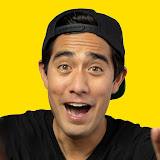
Every video ends on an impossible moment. The entire piece is built backwards from the surprise reveal. The setup is designed to make the reveal more impossible. Maximum impact per second. Never explains the technique — the mystery IS the value.
"The reveal happens in the last 2 seconds. Every frame before that is building to make those 2 seconds more impossible." — Reverse-engineer from the most impressive moment.
KA
No words. No language barrier. Zero production budget at the start. The premise: someone overcomplicates something and Khaby demonstrates the obvious simple solution. The universality of simplicity is the content strategy. Any niche can apply: find what's being overcomplicated and simplify it.
"The most complex advice in any niche often has a simple solution everyone ignores." — The Khaby framework applied to any niche: find the overcomplicated thing, show the obvious solution.
LA
Character-driven humor that addresses identity, culture, and generational experience through comedy. The persona IS the brand. Creates content for a specific cultural community while being accessible to anyone curious about that community.
"The most specific content reaches the most universal emotion." — Hyper-specific cultural reference creates laughter of recognition in one group and curiosity in everyone else.
PP
Makes technical topics cinematic. The content itself demonstrates the craft being taught. A video about color grading IS color graded beautifully. The medium reinforces the message at every level. Extreme attention to audio, pacing, music.
"The video you make about your craft should demonstrate your craft better than anything you could say about it." — Teach photography with great photography. Teach filmmaking with great filmmaking.
ED
Pioneered the "raw, real" editing aesthetic. Jump cuts, imperfect moments, self-aware humor. The audience feels they're witnessing her genuine thought process, not a performance. The authenticity IS the brand. Everything polished gets cut; everything real gets left in.
"I edit out the performance and leave in the person." — The anti-thumbnail generation creator: what you see is what you get, and that's exactly why they trust you.
CN
Physical props over digital graphics. The city is a character. Diary format applied to filmmaking. Every video is a genuine document of a real day. The production quality signals "this person takes their craft seriously" without ever talking about their craft.
"Use a physical prop instead of a digital overlay. A tangible object in your hands is more interesting than text on a screen." — Physicality creates credibility and warmth simultaneously.
JS
Ancient wisdom translated into modern language. Every piece of content is a translation: "This is what [monk philosophy/ancient wisdom] says about [modern problem]." The translation IS the expertise. Not a philosopher — a translator. Carousels dominate his format mix.
"I don't share wisdom. I translate it. My job is to take something that took monks centuries to figure out and make it usable by someone with 4 minutes on a Tuesday." — The translator as content creator.
MK
Sets the production standard for the category and then uses that standard as a lens to evaluate everything else. Reviews feel definitive because the production signals credibility. The quality of the review medium signals the depth of the expertise.
"My reviews feel authoritative because you can see from the production that I take this seriously. The video quality IS a credibility signal." — The production level signals the depth of the consideration.
AW
One word filter in practice: "mischief." Every video filtered through "does this end with laughter or does this show the underbelly of society?" The constraint is the creative framework. Snuck onto a billionaire's island > most expensive island. The angle is always more interesting than the obvious version.
"If you can't explain your brand in one word, it's already over." — The word precedes every creative decision. It's not what you make — it's the lens through which everything is made.
LH
Extreme honesty as brand differentiator in a category full of sponsored puff pieces. "We say what nobody else will." The willingness to criticize products builds trust that makes the positive reviews more valuable. The risk of honesty is the entire brand.
"We'll criticize products even when we're sponsored by them, with disclosure. That's the only way our positive reviews mean anything." — Credible praise requires a demonstrated willingness to criticize.
AO
The product is the body in motion. Every frame is choreographed at a level that creates pause-and-rewatch behavior. The craft is visible. People share because they want their friends to see the precision. Never explains the technique — demonstrates it at a level that makes explanation irrelevant.
"When the execution is precise enough, the content explains itself." — The highest skill level in any niche eliminates the need for commentary. The work is the communication.
DC
Finance demystified for people who feel excluded from financial conversation. Every concept translated into plain language, real examples, and culturally relevant references. The accessibility IS the differentiation in a category that often performs complexity as expertise.
"The people who need financial advice the most are the ones most likely to feel that financial content isn't for them. That's the gap I fill." — Accessibility as a market position, not a dumbing-down.
TR
Takes the same premise (a challenge) and finds the most unusual angle. "World's Loneliest Island" rather than "Most Expensive Island." The quirkiness creates a filter that makes conventional topics feel entirely new. Shows the emotional journey, not just the challenge result.
"The island was the setup. The loneliness was the story. Nobody else made that video." — The angle determines the content. Same premise, different angle = entirely different content.
AT
Systematic breakdown of any topic into clear, accessible components. The "evidence-based" framing gives authority while the doctor credential adds credibility. Study tips → productivity tips → YouTube tips = one creator, expanding niche, consistent methodology.
"I don't have more insights than other productivity creators. I explain them more clearly. Clarity IS the competitive advantage." — In a world of complex ideas, simple clear explanation is increasingly rare and valuable.
VN
The creator who teaches creators how to create. Every content piece demonstrates the strategy it's teaching. A reel about what makes a good hook IS a good hook. The meta-level is the credibility. Carousels dominate — teaching strategy requires space to explain.
"Every piece of content I make about content strategy should itself be a perfect example of the strategy. If my hook advice doesn't have a good hook, why would you believe me?" — The content is both the product and the proof.
DT
Every video structured like a short film: setup, escalation, impossible payoff. The payoff is ALWAYS more than expected. The audience develops trust that the payoff will arrive — which is why they watch past the setup. Giving more than you promised is the entire brand.
"The expectation I've set is that the ending will be bigger than you're imagining right now. That expectation is the retention mechanism." — Promise something; deliver more. Every time.
SS
Dream buyer specificity in every hook: "If you're a service business owner charging under €5k/month..." Hyper-specific = hyper-relevant. Story → Framework → Offer structure in every piece. The hook calls out the exact person; the content speaks only to them.
"The more specific my hook, the smaller the addressable audience in theory — and the higher the conversion rate in practice. I'd rather have 100 people who all feel spoken to than 10,000 who feel mildly interested."
JC
Treats content creation as a discipline of observation, experimentation, and iteration — hence "Creator Science." Every strategy is evidence-backed, tested, and documented publicly. Earns $2.8M+ as a creator since 2017 by building systems around what actually works, not what worked 5 years ago. His PARTS model breaks creators into five business pillars: People, Attention, Revenue, Trust, Systems.
"Premature growth on social media is an expensive mistake. Social platforms are discovery engines — use them to grow an owned audience, not to live on them." — Build the list, not the following.
PG
The most data-driven YouTube strategist alive. Has collaborated on 10 billion+ views across clients including MrBeast, Ryan Trahan, Red Bull, and Jesser. His entire framework is built around the "outlier" concept: find videos in your niche that dramatically outperform the channel's average, reverse-engineer why, and replicate the mechanism — not the content. 90% of channel growth comes from one breakthrough idea turned repeatable format.
"90% of your growth will come from one idea. Be an ideation machine first. Every other skill is secondary to finding the idea that breaks through." — Outlier ideas > execution quality.
RB
The "Awesome Creator" framework: start ugly, ship consistently, improve iteratively. Roberto built 600K+ subscribers by being the most transparent creator in his niche about what actually works — including failures. His approach centers on "building an awesome channel" as a long game, not a hack. Every video validates one part of his methodology through his own channel as the live case study.
"Start ugly. The perfect video you never publish beats nothing — and nothing is what most people are building toward." — Shipping is the skill. Everything else is refinement.
DE
The most algorithm-literate creator educator. Founded VidSummit, the largest YouTube creator conference. Worked behind the scenes on some of YouTube's biggest viral hits. His framework: understand what signals the algorithm reads (click-through rate, average view duration, re-watches) and optimize every creative decision around those signals. The algorithm rewards what viewers love — solve for the viewer, the algorithm follows.
"The algorithm doesn't push videos — it responds to viewer behavior. Stop trying to hack the algorithm and start obsessing over what makes people stay." — The algorithm is a mirror, not a gatekeeper.
SC
Co-founder of Think Media, one of the largest YouTube education channels. His framework: "Video Ranking Academy" — title and thumbnail first, then topic, then script. Every video is intentionally crafted to serve a keyword need while also building the creator's personal brand. Teaches creators to treat every video as an asset that compounds over time, not content that expires.
"Build a video library, not a posting schedule. A great video from 3 years ago should still be working for you today — if it was made intentionally." — Assets compound. Content decays.
TF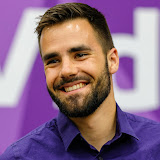
Built an audience of millions by treating productivity as systems engineering, not self-help. Every video demonstrates the system it teaches — a Notion tutorial IS a Notion database. The meta-level proof is the content. Moved from study tips to broader productivity systems and now business systems, always maintaining the same "here's the exact system I use" framework that makes content immediately actionable.
"The video is never just information — it's a demonstration. If you're teaching a system, show the system running live. That's proof that words can't provide." — Show, don't tell, but especially show systems.
DB
Specialist in making complex content strategies simple enough to actually execute. His framework: one idea, one format, one platform — dominate before expanding. Teaches creators to resist the platform-expansion urge until they have a repeatable system on one platform. Known for breaking down viral short-form mechanics with unusually specific frame-by-frame analysis.
"Most creators fail not from lack of ideas but from complexity. The system you can't maintain in a bad week is not a system — it's a wish." — Simplicity is the only sustainable strategy.
NN
Known for an unusually high engagement rate with his audience — answers nearly every comment, hosts regular live Q&As, and builds community as the primary growth mechanism. His philosophy: growth from community investment compounds in ways algorithmic tactics can't. Every video is designed to generate a question in the viewer's mind that drives them to comment. The comment section IS the content.
"Most creators treat comments as a metric. I treat them as the next video. Every question in my comments is someone telling me exactly what to make next." — The audience writes the content calendar.
BJ2
The search-first YouTube strategist. While most creators optimize for trending topics, Brian builds channels around evergreen search terms — videos that will receive traffic 3 years from publication. His framework: find what people search for, create the definitively best answer, and optimize the packaging so the algorithm surfaces it. Patience + SEO compound faster than virality chasing.
"The video that ranks for 'how to make sourdough bread' in 2028 is being made today. Build for search intent, not for the feed." — Evergreen beats viral every time on YouTube.
TF2
The meta-skill teacher. Every piece of content deconstructs how world-class performers achieved mastery — with enough specificity to be actionable. His "fear-setting" exercise, "80/20 of [topic]" format, and "what does your morning look like?" interview structure have been widely copied. Focuses on the minimum effective dose: what's the smallest change that produces the biggest result?
"What would this look like if it were easy? Most people never ask the question. The answer is usually hiding in plain sight." — Simplify before optimizing.
NK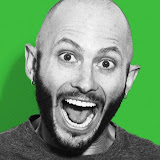
The "stop planning, start doing" creator. Every piece of content has an immediate action attached. His "$1 million business weekend" challenge and "ask for 10% off coffee" experiments make abstract business concepts concrete and testable. Uses himself as a guinea pig publicly — ships experiments and documents results whether they work or not. Speed of testing is the competitive advantage.
"Coffee challenge: walk into a coffee shop and ask for 10% off. The point isn't the discount — it's training yourself that asking is survivable. Most business failure is just fear of asking." — Action as content, not just content about action.
NB
Founder of Kit (formerly ConvertKit), the email platform for creators. His philosophy: social followers are rented, email subscribers are owned. Every piece of content makes the case for building an owned audience. Has documented his entire entrepreneurial journey publicly — product launches, revenue, failures — making himself the case study for his own product philosophy.
"I'd rather have 10,000 email subscribers than 500,000 Instagram followers. One I own. One I'm renting from a platform that can change the rules tomorrow." — Build what you own first.
SP
Co-host of My First Million and founder of The Hustle (acquired for $27M). His content framework: take a business concept, find the most surprising or counterintuitive angle, and tell it as a story. Every business breakdown starts with a character. The character makes the business lesson human and shareable. High velocity, high specificity, high opinion content.
"Every great business story is a heist story. Someone identified a gap, figured out how to fill it before anyone else, and moved fast. Tell the business like it's a heist." — Narrative structure makes business content human.
SH
The idea machine. Every piece of content is structured as "here's a business idea and why it will work" or "here's a trend and here's what it means." His framework: surface-level observation → first-order insight → second-order implication → the business opportunity nobody has noticed yet. Speed of idea generation is his visible superpower.
"Most people see what's happening. I want to see what's about to happen — and why the person who acts on it in the next 90 days will win disproportionately." — The second-order thinker as content creator.
LR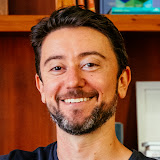
Applied the journalism standard to product strategy content. Every piece is deeply researched, cited, and tested against real company examples. His Substack newsletter became the most influential product management resource by being the most rigorous — not the most entertaining. The insight: in a world of opinion content, deeply researched analysis is a competitive moat.
"In a category full of opinion, be the one with evidence. I write 20-hour pieces. Nobody else wants to do that work. That's the entire strategy." — Rigor as differentiation in a sea of takes.
HS
Built 20VC (20 Minute VC) into the world's largest venture capital media empire by providing access to conversations nobody else could get. His content philosophy: the guest IS the content. His job is to ask the question that the guest has never been asked and let the insight emerge. Interviews are structured as investor diligence sessions — every answer must be specific, quantified, and actionable.
"The best interview question is the one the guest visibly wasn't expecting. That pause before they answer — that's where the real insight lives." — Unexpected questions unlock unrehearsed truth.
DK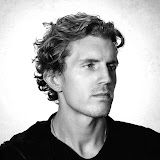
The philosopher-creator. Takes concepts from psychology, philosophy, and ancient wisdom and maps them onto modern work and business. Every piece begins with an uncomfortable truth and builds toward a practical system. His "one-person business" framework has become the template for knowledge-based solopreneurs. Long-form essays → extracted into tweets → turned into carousels → repurposed into video. The idea is the asset; the format is distribution.
"Most creators are afraid of depth. They optimize for breadth — more content, more platforms, more topics. Depth creates the obsessive follower. Breadth creates the passive consumer." — Go deeper, not broader.
JW
Built a $5M+ one-person business by systematizing every part of content creation. His content operating system: one long-form piece per week → 10 LinkedIn posts → 10 tweets → repurposed everywhere. Every piece of content points back to one of two products. The system is the product he teaches. Known for the "Saturday Solopreneur" newsletter reaching 200K+ subscribers.
"I'm not a content creator — I'm a business that uses content as its primary distribution channel. The distinction changes every decision you make about what to create." — Content as distribution, not content as identity.
SB
The framework-fication of everything. Takes complex ideas and compresses them into memorable, named frameworks: the 5 Types of Wealth, the Curiosity-Driven Life, the 10-10-10 Method. Named frameworks are sticky and shareable — they become associated with the creator. His quarterly themes system and structured idea pipelines make consistency feel like a system rather than discipline.
"If you can name it, people can remember it. If they remember it, they associate it with you. If they associate it with you, they're coming back. The framework IS the brand." — Named frameworks compound as intellectual property.
CS2
The anti-startup creator in a sea of startup content. Every piece challenges the "build from scratch" assumption and makes the case for acquiring boring, profitable businesses instead. Her "sweaty startup" and "boring business" frameworks went viral because they challenged the dominant Silicon Valley narrative. Uses her own acquisitions as live case studies, making the content impossible to dismiss as theory.
"The best businesses aren't built — they're bought. I'm not contrarian for attention. I'm contrarian because the data on small business acquisition returns vs. startup success rates is genuinely shocking." — Evidence-backed contrarianism hits different than opinion contrarianism.
NP
The data-democratizer. Takes proprietary agency-level data on what actually drives traffic and packages it into free, accessible content. His formula: share what most agencies charge for, and the goodwill converts to agency retainers. High-volume content model — publishes more than almost anyone in his category. Treats content as a traffic machine that compounds over time through SEO.
"I give away everything I know for free. The people who use the information to succeed come back and pay me to do it for them. Free content is my best sales pitch." — Abundance as a business model.
CD
Makes the business case for creative work. His content bridges two worlds that rarely talk: design craft and business acumen. Every piece helps a creative professional charge more, communicate their value better, or position themselves strategically. The Futur has educated millions of creatives who were never taught the business side of their profession. His most viral content is always about pricing and self-worth.
"Every designer who undercharges is doing it for one reason: they can't articulate their value in language the client understands. I teach designers to speak client, not designer." — Language is the product.
AC
Copywriting educator who makes the craft accessible without dumbing it down. Her framework: great copy starts with understanding the emotional reality of the reader, not the features of the product. Known for the "Copy Posse" brand and her formula for writing copy that converts without sounding salesy. The bridge between authentic voice and strategic persuasion is her entire content thesis.
"The most persuasive copy never feels like it's trying to persuade. It feels like someone finally said the thing you've been thinking and couldn't articulate." — Articulation as persuasion.
SG
The godfather of modern permission marketing. His framework: stop interrupting people who don't want to hear from you and start making things worth paying attention to. Every piece of content is a provocation designed to change how you think, not tell you what to do. The blog post as philosophy lecture. No images, no SEO optimization, no distribution hacking — just ideas sharp enough to travel on their own.
"Marketing is no longer about the stuff you make, but about the stories you tell." — Ideas that spread because they deserve to, not because they were pushed.
RP
The social media educator for regular business owners, not just marketing professionals. Her content demystifies platform mechanics in language non-marketers understand. Focuses on the emotional side of building a brand — confidence, consistency, showing up despite the fear. Mixes tactical how-to content with personal story and mindset, creating content that educates AND emotionally resonates.
"Most of my students don't fail at the strategy — they fail at the showing up. I teach strategy AND the emotional skills to execute it consistently." — Execution psychology is the real bottleneck.
BJ3
The most dedicated Instagram Reels educator alive. Has documented every algorithm change, tested every format theory, and reported results publicly. His framework: post Reels daily for 30 days and track the data — no theory without personal experimentation. Teaches the "hook → deliver → CTA" structure with granular detail on timing, text placement, and audio selection.
"I post Reels every day — not because I think everyone should, but because it's the only way I can honestly teach them. I test so my students don't have to guess." — The educator as constant experimenter.
LO
Specialist in organic Instagram growth for business accounts. His framework centers on building content that earns discovery through the algorithm without paid promotion. Every piece of content is designed to serve a specific algorithmic signal: saves, shares, comments, or profile visits. Teaches creators to think about content as a portfolio of signals, not individual posts.
"Every Instagram post should be designed to trigger one specific action: save, share, comment, or profile visit. If you don't know which one you're optimizing for, the algorithm doesn't either." — Intentional signal design beats accidental reach.
CF
Instagram educator focused on the aesthetic and personal brand intersection. Her framework: your Instagram grid is a first impression, not a portfolio. Every post should answer "what do I stand for?" before answering "what do I sell?" Makes the case for authentic visual identity over trend-chasing. Particularly strong with small product-based businesses learning to use Instagram as a sales channel.
"Your grid is a first impression that lasts. Most business owners optimize for the post — I teach them to optimize for the grid. Someone new to your profile makes a follow decision in 3 seconds." — The grid as brand asset.
AT2
The hashtag and organic reach specialist. Built her following and business entirely without ads by mastering how Instagram's discovery systems work. Her framework: treat Instagram as a search engine for visual content — keywords in captions, hashtags as content categories, and consistency as the discovery mechanism. Makes the case that Instagram rewards patience and specificity over volume.
"Hashtags are not for engagement — they're for discovery. I teach creators to use them as content category labels, not magic traffic buttons. The difference changes everything." — Discovery mechanics > engagement hacks.
JH
One of the earliest Instagram educators and author of multiple books on Instagram marketing. Her framework: consistency in posting creates the trust foundation that makes every other strategy work. Without consistency, no tactic performs. Documents platform changes as they happen and translates them for business owners who don't have time to follow every update.
"Instagram rewards the creator who shows up. Every algorithm change I've tracked in 12 years of teaching this platform has one constant: consistency beats everything else." — Consistency as the only durable edge.
SZ
Known as "The Instagram Expert" — built her entire brand around helping small business owners become visible on Instagram before it was mainstream. Her framework: you can't grow a business on a platform nobody can find you on. Visibility first, then conversion. Uses high-energy, direct-to-camera video content consistently, modeling the exact approach she teaches.
"Small business owners hide on Instagram. They post once a week, use no hashtags, and have a bio nobody reads. Visibility is a decision before it's a skill." — Visibility as a prerequisite, not a result.
IL
Italian-based Instagram educator with a strong focus on the European creator market. Her approach emphasizes genuine connection over algorithmic optimization — creating content that speaks to real human experiences rather than platform trends. Known for translating American content strategy frameworks into culturally relevant applications for European audiences and niches.
"The algorithm changes every three months. Your authenticity doesn't. Build around the thing that's durable and let the algorithm strategies serve it — not the other way around." — Durable core + adaptable tactics.
JK
Built a multi-million dollar business by making entrepreneurship feel accessible to women who don't see themselves as "business people." Her Instagram DM funnel strategy is legendary: DM keyword → quiz → personalized recommendation → email capture — collecting 53,000 leads and $1.7M in sales in one year without ads. The "Goal Digger" brand positions ambition as compatible with real life, not opposed to it.
"I built my business on Instagram while being relatable, not aspirational. People buy from people they believe could be them — not from people they can only admire from a distance." — Relatability converts. Aspiration inspires.
CJ
Built and sold multiple multi-million dollar fitness companies before pivoting to business and lifestyle coaching. Her content framework: the "push" content model — every piece of content pushes the audience toward their next best action. Known for her Smart Success system and for teaching creators that life systems and business systems are the same thing. High energy, direct, action-oriented.
"I sold my fitness company because I realized I was teaching people to work out, not to build a life. The system for building a great body and a great business are embarrassingly similar." — Cross-domain systems as content differentiation.
JS2
The photographer-turned-business-strategist who built her brand on the principle that Instagram is a connection platform, not a content platform. Her framework: every post should deepen the relationship with one specific person — not broadcast to thousands. Built Social Curator, a social media membership, on the back of content that makes businesses feel like her personal guidance is inside the membership.
"I don't post for my audience — I post for my best customer. When I imagine her scrolling, every word I write gets clearer, warmer, and more specific." — Audience of one as clarity device.
AP
The course launch queen. Her entire content system is built around the launch cycle: build anticipation → deliver massive free value → open cart → close. Every Instagram post is mapped to one of these phases. Known for making the intimidating (digital course creation, email list building) feel achievable through hyper-structured step-by-step content. Her signature: "here's your permission slip to try this."
"I give my audience the permission they're waiting for. Most people know what they should do — they're waiting for someone they trust to say 'yes, this is for you.' I am that person." — Trust as the primary business asset.
TB
Known for cracking the organic virality code across multiple short-form platforms. Her framework: the "viral loop" — content that makes people want to share before they finish consuming it. Specializes in teaching non-creators how to make platform-native content that doesn't feel like marketing. Mixes platform education with personal business transparency.
"The share happens in the first 10 seconds or not at all. If someone hasn't felt the urge to share before they're halfway through, you've lost them." — Share trigger must come early.
CB
Blends aesthetic education with business strategy — teaches entrepreneurs that beautiful content and strategic content are not opposites. Her framework: your visual brand is a conversion asset. Every post should look like it belongs in the life your customer wants to live. Particularly strong with product-based businesses and personal brands who want Instagram to feel premium.
"Pretty doesn't convert — pretty-and-strategic does. I teach the strategy that makes the aesthetics work commercially, not just artistically." — Aesthetic with intent.
MH
Makes marketing principles accessible without dumbing them down. Specializes in translating complex marketing theory (positioning, messaging hierarchy, audience psychology) into immediately actionable frameworks. His content style: one idea, clearly explained, with a real example that makes the principle impossible to misunderstand. High share rate because every post makes the reader feel smarter.
"Every marketing concept sounds complicated until someone removes the jargon. My job is to be the person who removes the jargon without removing the insight." — Clarity as the marketing skill.
SJ
Leading digital marketing educator in the Indian market with a global perspective. His framework makes enterprise-level social media strategies accessible to small and medium businesses in emerging markets. Prolific content producer — documents every campaign, every result, every learning. The transparency is the differentiator in a market where most educators are theoretical.
"In the Indian market, the gap between what global marketing content teaches and what actually works locally is enormous. I bridge that gap by testing everything locally first." — Localization as a competitive advantage.
LB
UK-based content marketing and social media expert known for measurable, results-focused strategy. Her framework: every piece of content must be traceable to a business outcome — if you can't explain how a post contributes to leads, sales, or retention, it shouldn't be posted. Particularly strong with B2B social media strategy and LinkedIn + Instagram combined approaches.
"I ask every client one question before we create any content: what happens after someone reads this? Most creators have never thought about it. That's why their content doesn't convert." — Every post needs a next step.
BK
Author of "Hook Point" and "One Million Followers." His framework: the hook is everything. The first 3 seconds of any video or the first line of any post determines whether the rest gets consumed. Has tested thousands of hooks and documented the patterns that consistently work. His "hook point" concept — the single most compelling angle on any idea — is now widely taught in content strategy circles.
"I've tested over 10,000 pieces of content. The single biggest variable in what performs is always the hook. Not the production, not the distribution — the hook. Master it first." — The hook is the product.
FS
Focuses on building a sustainable content practice for creators who aren't naturally high-energy performers. Her framework: authentic, calm, competent content outperforms energetic, high-production content for many audiences and niches. Challenges the assumption that successful creators must be extroverts. Teaches introverted entrepreneurs how to leverage their natural depth, thoughtfulness, and specificity as content assets.
"The quiet creator can win on Instagram — not by mimicking the loud ones, but by serving the audience that's exhausted by noise. That audience is enormous and underserved." — Calm depth as a market position.
MH2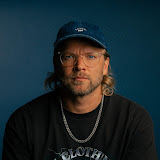
The cinematic YouTube creator. His approach: every tutorial video should itself be a demonstration of the skill being taught — a video about cinematic color grading is beautifully color graded. His "travel film" format made accessible filmmaking aspirational for millions of creators. Known for making technical topics feel like art, and making art feel technically achievable.
"Your tutorial is your portfolio. If you're teaching cinematic editing and your tutorial looks boring, nobody believes you can teach them to make beautiful films." — The medium validates the message.
FB
UK-based YouTube education channel focused on the craft of video making as a business. Their framework: great video is not expensive — it's intentional. Every video teaches one specific craft element (color grading, audio, framing, pacing) with actionable before/after comparisons. Particularly strong on the intersection of craft improvement and channel growth.
"Most YouTubers spend on equipment what they should spend on storytelling education. A $50 storytelling course will do more for your channel than a $5,000 camera." — Craft investment before gear investment.
TM
The largest YouTube education brand. Think Media's framework: every video serves either discovery (new viewer) or nurture (existing subscriber), and each requires a different content structure. Known for helping "regular people" start profitable YouTube channels. Their gear recommendation content is the top of their funnel; their strategy content converts viewers to course buyers.
"We made YouTube education accessible to people who thought it was only for tech bros and gamers. The biggest untapped YouTube audience is the person who doesn't think YouTube is for them yet." — Expanding the addressable market as strategy.
PV
Australian-based video marketing educators focused on measurable business results from video, not just views. Their framework: every video is a business asset with a measurable job — generate leads, convert prospects, retain customers, or build authority. Teaches businesses to build a "video ecosystem" where each piece connects to a stage in the customer journey.
"A viral video that doesn't convert is a vanity metric. We teach businesses to make videos that do a job — and then measure whether they did it." — Video as business tool, not content.
KW
Helps business owners scale faster with content systems built from hard-won experience: 2M+ followers, 1B+ views, and three 7-figure businesses. His framework treats content not as isolated posts but as a compounding system — every piece feeds the next, every format serves the funnel. Reverse-engineers what made large accounts grow and builds replicable playbooks from the patterns.
Content system breakdown
"Most business owners are creating content. Very few have a content system. The difference between 10K and 1M followers is almost never the idea — it's the system around the ideas." — Systematize before you scale.
SE
The podcast for marketers building real equity in their craft. Hosted by Alex Garcia and Brian Blum, Sweat Equity covers influencer marketing, growth marketing, and content marketing with a practitioner-first lens. Every episode is structured around actionable insights from operators who are actively running campaigns — not just commentators. The name signals the philosophy: results come from doing the work, not observing it.
Operator insight post
"The best marketing knowledge isn't in books — it's in the heads of people actively running campaigns right now. We go find those people and extract what's working this quarter." — Practitioner knowledge over theory.
TS2
The second channel from MKBHD's studio — behind-the-scenes content, event reactions, and challenges that show what happens when the cameras aren't pointed at the final product. While the main channel perfects the output, The Studio documents the process. Shows the infrastructure, the team dynamics, and the creative decisions that most channels hide. The transparency about production is itself the content differentiator.
"The process is as interesting as the product. Most creators hide the work — we show it. That transparency builds a different kind of trust than polished reviews ever can." — Process content as credibility builder.
TRn
Educator and newsletter writer focused on helping creators learn faster from others' experience. His framework: distill what the best practitioners know into immediately applicable lessons — then package that into products and newsletters. The "learn from me" positioning is explicit and unapologetic. Builds audience through free newsletter value, then converts to paid products. Demonstrates the exact creator business model he teaches.
Creator coaching post
"I don't teach theory — I teach what I've done, what worked, and what failed. The specificity of personal experience is the only thing that can't be copied from a textbook." — Personal experience as the curriculum.
AA
Specializes in deep-dive YouTube breakdowns — reverse-engineering why specific videos and channels break through while others stagnate. Her 90 Day Breakthrough program is a 12-week accelerator built around exercises and activities that drive real channel results, not passive consumption of theory. Every piece of content demonstrates the analytical framework she uses: watch what worked, understand why, apply the mechanism.
Strategy deep-dive
"Growing on YouTube is hard because most advice is generic. I break down specific videos frame by frame to show you exactly what created the result — not what someone guesses might have." — Specific analysis over generic advice.
BJc
Makes content for creators — focused on helping video makers level up their skills and grow their online influence. His motto "Stay Creative" is both philosophy and content filter: every video asks whether the approach being taught keeps creativity at the center rather than reducing content to a formula. Covers camera work, editing, storytelling, and the mindset behind showing up consistently for an audience that needs what you have to say.
Creative technique breakdown
Creator mindset post
"There is someone out there that needs the content you are going to create, the community you're going to build, and the message you're going to share. Your job is to show up." — Obligation as motivation for creative consistency.
SCs
Cinematic creator who bridges filmmaking craft and creator mindset. Known for making the "film look" accessible to beginners through clear, practical breakdowns — and for pairing those technical tutorials with unusually honest mindset content. His videos on editing, visual storytelling, and the psychology of creating have reached millions. Produces in both English and Portuguese, with a distinctively calm, introspective voice that mirrors the aesthetic he teaches.
Editing breakdown
Mindset short
"The way you make a video reflects the way you see the world. Before you fix your technique, understand what you're actually trying to say." — Intentionality before technique.
MG
Built 4 companies and a community of 14 million people by treating business growth as an operating system, not a collection of tactics. His Founder OS framework helps 7-to-9-figure brands remove themselves from operations, scale with content, and automate core systems. His content is structured around proven playbooks: storytelling systems, audience-building frameworks, and AI-assisted scaling — all documented from building real companies rather than theorizing.
Playbook breakdown
"Most founders are trapped inside their own businesses. The operating system I teach gets them out — by replacing their presence with systems that scale without them." — Systems as the founder's exit from operator mode.
ND
Built two multiple 7-figure businesses using his personal brand as the primary growth engine — then documented how he did it so others can replicate the approach. His Forward Academy provides the strategic framework for turning a personal brand into a business asset. Focuses on the intersection of authority, audience, and offer: building the trust capital that makes selling feel like service rather than persuasion.
Authority-building breakdown
"I didn't market my businesses — my personal brand marketed them for me. Build the brand first; the business follows because trust is the hardest part to buy." — Personal authority as the highest-ROI business investment.
CR
Focuses on building personal brands that bring customers to you — not through virality, but through trust. His framework: produce high-value educational content at a sustainable pace (1–2 videos per month), covering the full production cycle from pre-production through platform strategy. His Ralston Select program teaches creators to make educational content at the highest value-per-minute possible. The explicit philosophy: if you're chasing viral, look elsewhere — if you're building trust, this is your channel.
Educational video breakdown
"Going viral and building trust are different games. I only play one of them. A video watched by the right 500 people will outperform a viral video watched by the wrong 500,000." — Trust audience over reach audience.